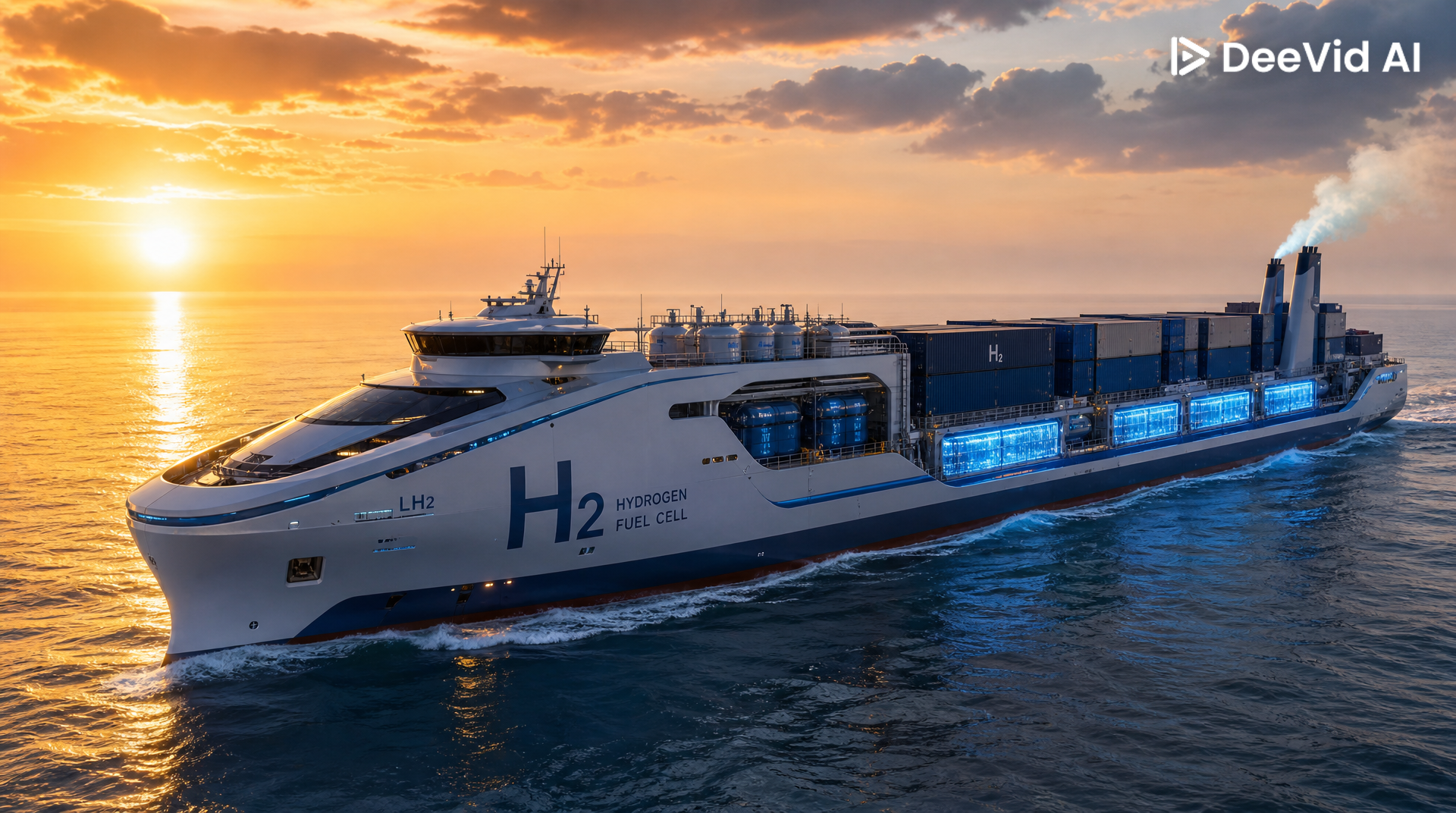
Hydrogen - The chicken or the egg?
EU money for hydrogen factory on Sola – opens new opportunities for the Norwegian maritime industry and AMS' fuel cell investment.
A new major boost for the Norwegian hydrogen industry is on the way, after the EU has granted around 62 million euros (approximately 675 million kroner) to Green H for the construction of a hydrogen factory at Sola. The investment marks an important step in the development of a comprehensive hydrogen value chain in Norway – from production to use in the maritime sector – and at the same time gives increased relevance to Norwegian technology suppliers who are focusing on zero-emission solutions based on fuel cells.
The award shows that Norway is positioning itself strongly in the European competition for green industrial construction. The project is part of a larger strategic initiative in which hydrogen is highlighted as a key tool for cutting emissions in the maritime sector. Globally, shipping accounts for around 2.4 percent of the world's greenhouse gas emissions, but in Norway the share is significantly higher, which increases the need for new zero-emission solutions.
Critical piece in the value chain
The development at Sola represents more than just new production capacity. It could become a key element in the development of complete hydrogen value chains along the Norwegian coast, where production, distribution and use are developed in parallel.
The EU and Norwegian authorities point out that such projects are necessary to reduce risk and facilitate more players to dare to invest in hydrogen-based solutions. This is particularly important in a phase where the market is still developing, and where access to fuel and technology must grow in step.
The hydrogen factory at Sola can thus help ensure access to fuel for ships and other maritime applications in the region.
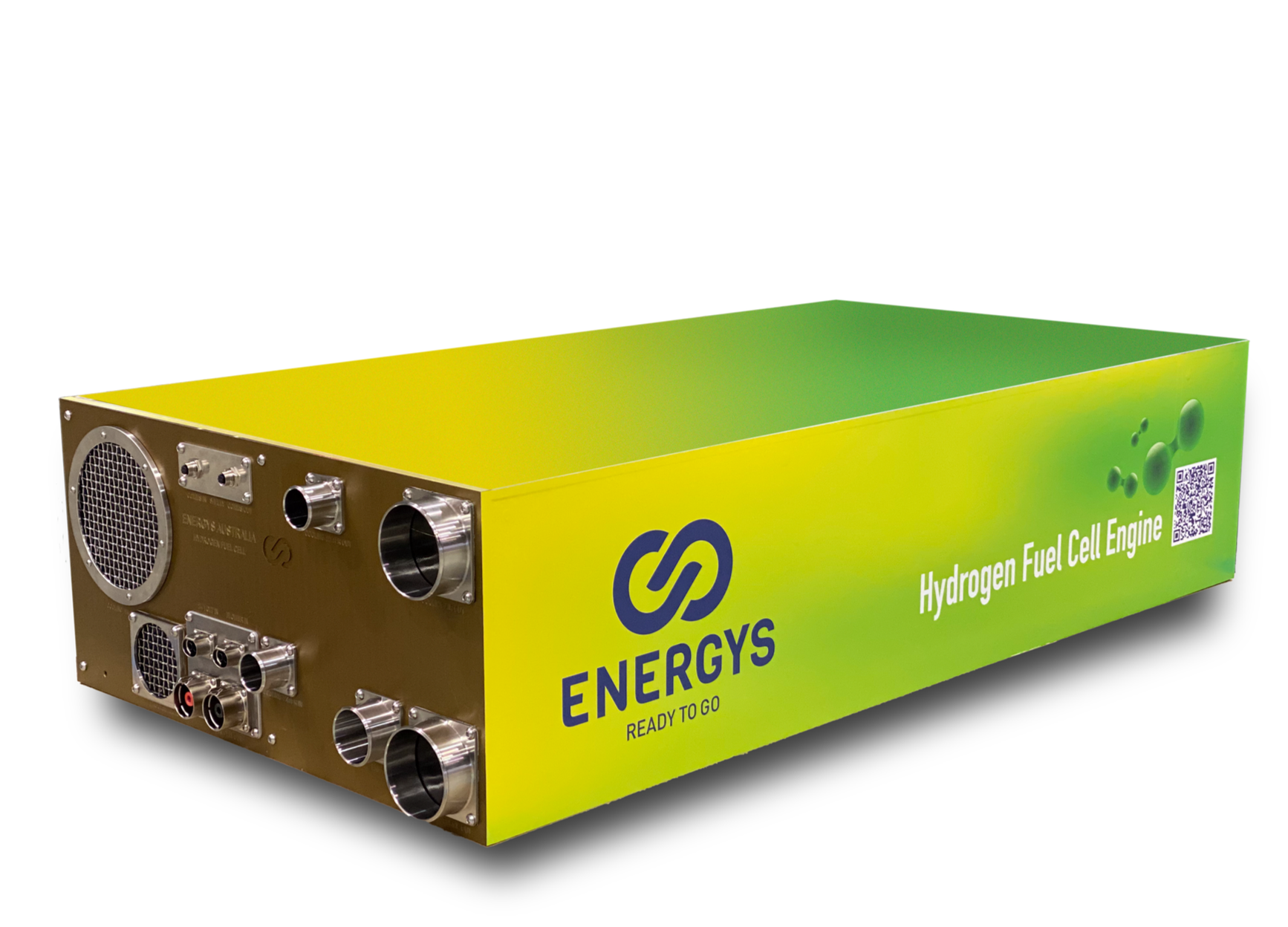
In collaboration with Energys, AMS offers fuel cell systems to the maritime industry.
AMS: focuses on fuel cells as the next step
In parallel with the development of hydrogen infrastructure, players such as Anlegg og Marine Service AS (AMS) is committed to delivering the technology that will use hydrogen in practice.
Through a collaboration with the technology company Energys, AMS has entered into an agreement for the distribution and service of hydrogen-based fuel cell systems to the Norwegian maritime market.
These systems are designed to replace traditional fossil-fuel engines and can deliver propulsion and power to vessels with zero emissions – where the only byproduct is water vapor.
The technology is modular and scalable, with solutions ranging from smaller vessels to larger offshore and ocean-going ships. This makes it particularly relevant in a maritime sector facing stricter emission requirements from both national and international authorities.
From production to application
The combination of hydrogen production at Sola and technology development at players such as AMS illustrates how the Norwegian hydrogen economy is gradually taking shape.
On the one hand, production capacity is being built to ensure access to green fuel. On the other hand, technology – such as fuel cells and hybrid propulsion systems – is being developed and put into use that makes it possible to utilize hydrogen in practical applications.
Experts point out that the interaction between these links is crucial to success. Without sufficient access to hydrogen, the fuel cell market will not develop, and without demand from end users, it will be difficult to justify investments in production facilities.
For companies like AMS, this could provide new market opportunities, both nationally and internationally. As the infrastructure is expanded, the need for suppliers of propulsion systems, integration and aftermarket services also increases.
The way forward
Although hydrogen is still in its early stages as an energy carrier, developments point to a clear change of pace. With significant European funding, increased political support and industrial players investing heavily, the conditions are ripe for growth.
For the maritime sector, this could mean the start of a broad transition to zero-emission solutions – where hydrogen and fuel cells play a central role. Anlegg og Marine Service will be an active contributor to this.